




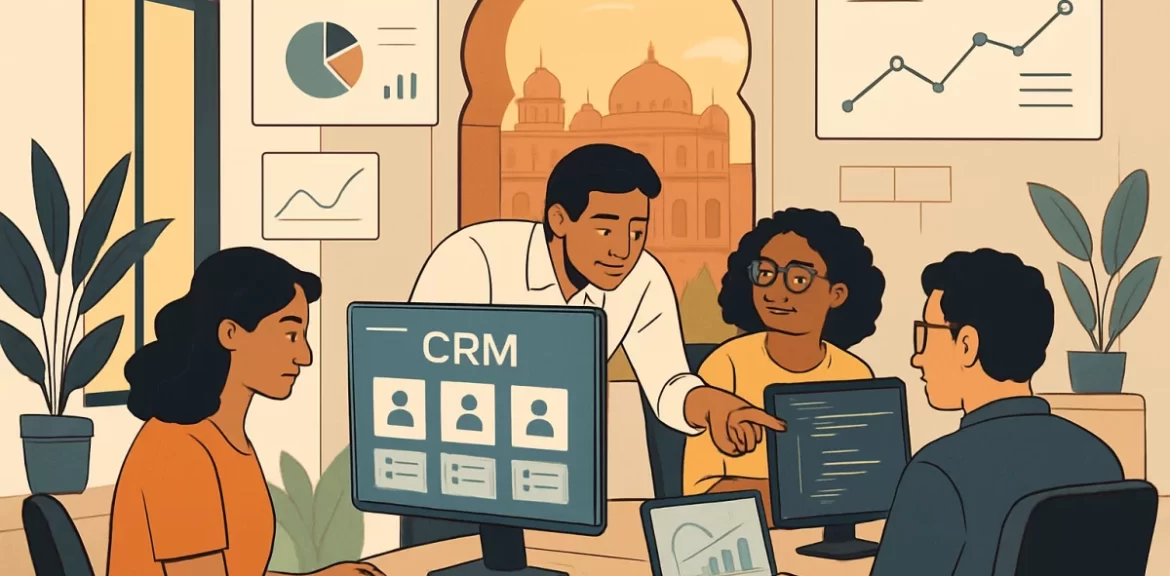
In today’s fast-paced business environment, effective customer relationship management (CRM) software development in Jaipur is essential for companies aiming to improve their operational efficiency. Whether you are a startup or an established enterprise, the right CRM system can transform how you manage customer interactions and streamline your processes.
Understanding CRM Software Development
CRM software development involves creating applications that help businesses manage customer data, interactions, and relationships. This type of software is designed to enhance customer satisfaction and drive sales growth. By leveraging technology, businesses can automate various tasks, thus freeing up valuable resources.
Why Choose Jaipur for CRM Software Development?
Jaipur, known for its vibrant tech scene, has emerged as a hub for software development. The city boasts a pool of talented developers who specialize in CRM solutions. By choosing to develop CRM software in Jaipur, companies can benefit from cost-effective services without compromising on quality.
Best Practices for Efficient CRM Software Development
To ensure the successful development of CRM software, it is crucial to follow certain best practices. These guidelines not only enhance the efficiency of the development process but also ensure that the final product meets the needs of its users.
1. Define Clear Objectives
Before embarking on the development journey, it is vital to define clear objectives. Understanding what you want to achieve with your CRM software will guide the development process and provide a roadmap for your team. Consider factors like user requirements, project scope, and desired features.
2. Engage Stakeholders Early
Involving stakeholders from the outset can significantly impact the success of the project. Gather input from sales, marketing, and customer support teams to ensure the software meets their needs. This collaborative approach fosters ownership and helps identify potential challenges early on.
Incorporating User-Centric Design
A user-centric design is crucial for any CRM software. By focusing on the end-user experience, developers can create an intuitive interface that enhances usability. The goal is to make navigation seamless, which encourages adoption and increases user satisfaction.
3. Prioritize Scalability
As businesses grow, their CRM needs may evolve. Therefore, it is essential to prioritize scalability during the development phase. A scalable CRM system can accommodate additional users and features without requiring a complete overhaul, which saves time and resources in the long run.
4. Embrace Agile Methodologies
Adopting agile methodologies can enhance collaboration and adaptability during the development process. This approach allows teams to iterate quickly, respond to feedback, and make necessary adjustments as the project progresses. Agile development fosters a culture of continuous improvement, leading to a more refined final product.
Integrating Advanced Technologies
To stay competitive, CRM software must leverage advanced technologies. Integrating artificial intelligence (AI), machine learning, and data analytics can provide valuable insights into customer behavior and preferences. This data-driven approach enables businesses to personalize their interactions and improve customer satisfaction.
5. Ensure Data Security
With the increasing reliance on digital platforms, data security must be a top priority. Implementing robust security measures protects sensitive customer information and builds trust with users. Regular audits and compliance with regulations like GDPR ensure that your CRM system remains secure.
6. Invest in Training and Support
Even the most sophisticated CRM software will fail if users are not adequately trained. Investing in training programs ensures that your team understands how to use the software effectively. Additionally, providing ongoing support can help address any issues that arise post-launch.
Measuring Success with Key Performance Indicators (KPIs)
To evaluate the effectiveness of your CRM software, it’s essential to establish key performance indicators (KPIs). These metrics help track the success of your CRM system and identify areas for improvement. Common KPIs include user adoption rates, customer satisfaction scores, and sales metrics.
7. Gather Feedback for Continuous Improvement
Once your CRM software is live, gathering feedback from users is crucial. This feedback can inform future updates and enhancements. Create channels for users to share their experiences and suggestions, enabling your team to make data-driven decisions for ongoing improvements.
Conclusion: Drive Your Business Forward with Effective CRM Software
Investing in CRM software development in Jaipur can lead to significant improvements in your business operations. By following best practices and focusing on user needs, companies can create a powerful tool that enhances customer relationships and drives growth. Embrace the future of customer relationship management and unlock the full potential of your business.